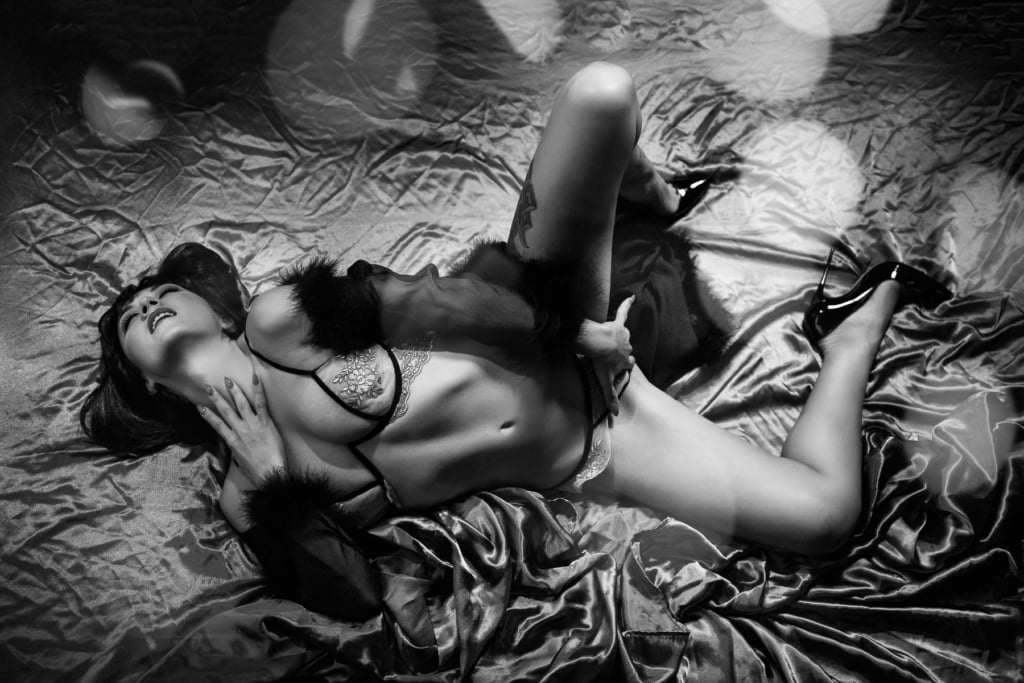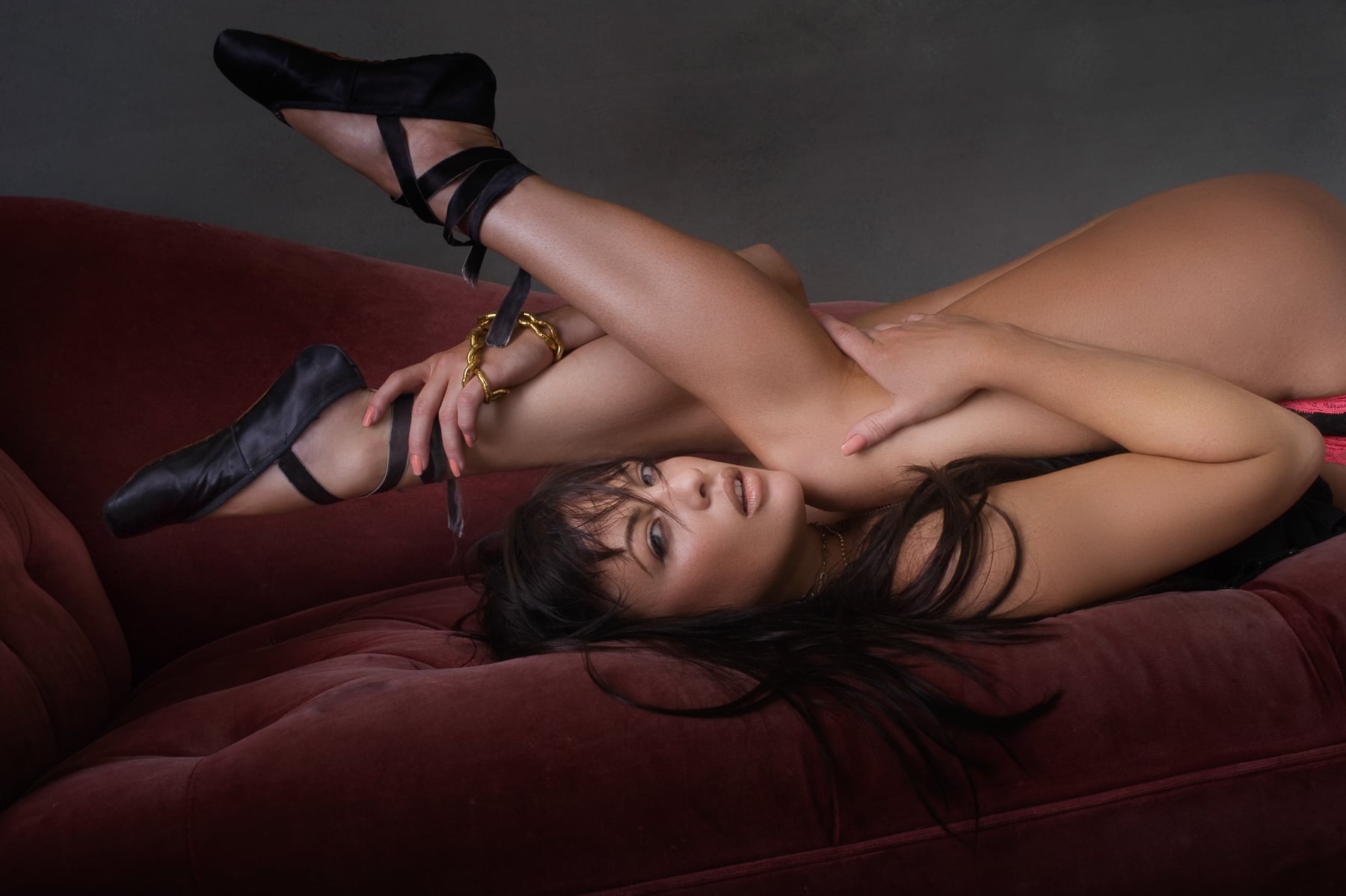
A beautiful boudoir image does not need to show everything to say everything. A suggestion of light across a shoulder, a silhouette against a velvet-dark room, the gleam of a heel at the edge of the frame – these details create tension, elegance, and a feeling that lasts long after the session. Cinematic boudoir lighting is the art of making that feeling visible.
For clients who want more than bright, posed portraits, this approach creates images with the polish of a film still and the intimacy of a private moment. It is sensual without being careless, dramatic without disguising the person in front of the camera, and deeply flattering when it is designed around your features, wardrobe, and comfort level.
What Makes Boudoir Lighting Cinematic?
Cinematic lighting is purposeful. Rather than flooding every corner of a room with even illumination, the photographer chooses what the eye should find first: the line of your waist, the curve of your back, the confidence in your expression, or the connection between two people.
Shadow is not a flaw to erase. It is part of the composition. A narrow beam of window light can create a delicate profile. A softly diffused lamp can turn skin luminous while allowing the background to fall away. A controlled pool of light can make a black lace bodysuit, silk robe, or bare shoulder feel like the center of its own world.
The result often feels more editorial than traditional. It has depth, contrast, atmosphere, and a sense that something meaningful is happening just beyond the frame. Yet cinematic does not always mean dark. It can be sun-washed and romantic, rich with warm amber tones, or clean black and white with graceful highlights. The defining quality is intention.
Cinematic Boudoir Lighting Begins With Shadow
Many clients arrive with one understandable concern: “Will dark lighting make me look less flattering?” When handled well, the opposite is often true. Shadow can refine an image by creating dimension, directing attention, and giving the body visual shape without excessive retouching.
A soft side light is especially beautiful for boudoir because it follows natural contours. It can bring definition to the collarbone, legs, hips, and cheekbones while preserving the softness of skin. Light placed slightly behind the body can create a halo effect around hair and shoulders, separating you from a darker setting and adding a touch of glamour.
The trade-off is that dramatic light asks for precision. If it is too hard, it may emphasize texture or feel severe. If the scene becomes too dark, the mood can overtake the person. Expert direction is what keeps the image luxurious rather than gloomy. The goal is never to hide you in the shadows. It is to let the shadows frame your beauty.
The Power of a Single Light Source
One carefully placed light often creates more feeling than a room full of equipment. Window light, a sculpted studio light, a bedside lamp, or a practical light within an upscale hotel setting can each establish a distinct mood.
Window light tends to feel intimate and timeless, especially when it is softened with sheer drapery. A focused studio light can offer an elegant, high-fashion finish with more control over contrast. Warm lamps create an after-hours glow that feels seductive and inviting, particularly for an After Dark session designed around mystery, confidence, and desire.
There is no single “best” source. It depends on whether you are drawn to bridal romance, old Hollywood glamour, darker editorial imagery, or a deeply personal couples session.
Color Creates the Emotional Temperature
Cinematic imagery is not only about where the light falls. It is also about color. Warm gold can make a portrait feel lavish and intimate. Deep burgundy, espresso, charcoal, or midnight blue can add drama without competing with the subject. Cream, champagne, and soft blush create a lighter, feminine mood that still carries visual richness.
Your wardrobe plays a role here. Satin catches highlights differently than lace. Black can become graphic and commanding under controlled light, while ivory may look dreamy and luminous. Jewel tones are especially striking in darker scenes because they hold their presence against shadow.
For black and white portraits, color disappears, but texture becomes even more important. A crisp white sheet, glossy leather, a fitted blazer, shimmering jewelry, or tousled hair can each add dimension. Black and white is often ideal when you want the image to feel iconic, emotional, and free from trend.
Posing Makes the Light Work for You
Lighting alone cannot create a cinematic portrait. The body has to meet the light in a way that feels natural. This is where professional posing direction changes the experience completely.
Small adjustments have a powerful effect: turning the chin toward the light, relaxing one shoulder away from it, extending a leg into a highlight, or arching gently to create a graceful line. You do not need to know how to pose before you arrive. In fact, trying to copy a pose from memory can make you feel stiff. A skilled photographer guides you moment by moment, watching where the light lands and shaping the pose around it.
Movement is just as valuable as stillness. Slipping on a robe, drawing a sheet close, walking toward a window, or leaning into a partner can produce images that feel alive. The most captivating frame is not always the most obviously posed one. Sometimes it is the breath between directions, when you have forgotten the camera is there.
Designing a Setting With Depth
A cinematic image needs layers. This may come from a statement headboard, a curtain catching light, an upholstered chair, reflective glass, or the soft blur of city lights beyond a window. These elements create a sense of place without distracting from you.
A minimalist setting can be just as effective when the styling is intentional. A monochromatic palette, crisp linens, and one beautiful source of light can feel incredibly expensive on camera. More elaborate environments offer another kind of luxury: rich textures, architecture, and a setting that turns the session into an escape.
At The Boudoir Café, the visual direction is built around the client rather than forcing every woman or couple into the same look. A bride may want luminous softness for a wedding gift. Someone marking a personal reinvention may want sharp contrast, dramatic black lingerie, and a bolder edge. A couple may choose lower light and closer framing to preserve the warmth and privacy of their connection.
The Most Flattering Look Is the One That Feels Like You
Cinematic does not require you to become a different person. It is a visual language that can be tailored to your version of sensuality. Some clients want images that feel quietly confident and elegant. Others want the electricity of a late-night editorial, with deeper shadows and a more daring mood. Both can be exquisite.
The best planning begins with an honest conversation. Which images make you pause? Do you love glowing skin or stronger contrast? Are you most comfortable in lingerie, an oversized shirt, a gown, a suit jacket, or implied nude imagery? How much mystery feels exciting, and how much feels too far outside your comfort zone?
Those answers shape the lighting, wardrobe, set, makeup, and posing direction. They also protect the most important part of the experience: your sense of ease. Confidence photographs beautifully, but confidence does not come from being told to perform. It comes from being seen, guided, and given room to choose.
Privacy Is Part of the Atmosphere
Intimate portraiture requires more than technical skill. It requires discretion, consent, and a setting where clients can relax without judgment. Before a camera is lifted, there should be clear communication about boundaries, image preferences, and what will and will not be photographed.
That trust is visible in the final work. When you feel safe, your expression softens. Your body moves with more freedom. You stop checking whether you are “doing it right” and begin inhabiting the moment. Cinematic lighting can create the mood, but comfort gives it a pulse.
Choose images that make you feel something when the room is quiet. Whether your portrait is washed in soft morning light or shaped by velvet shadow, the most luxurious photograph is the one that reminds you how compelling you already are.