
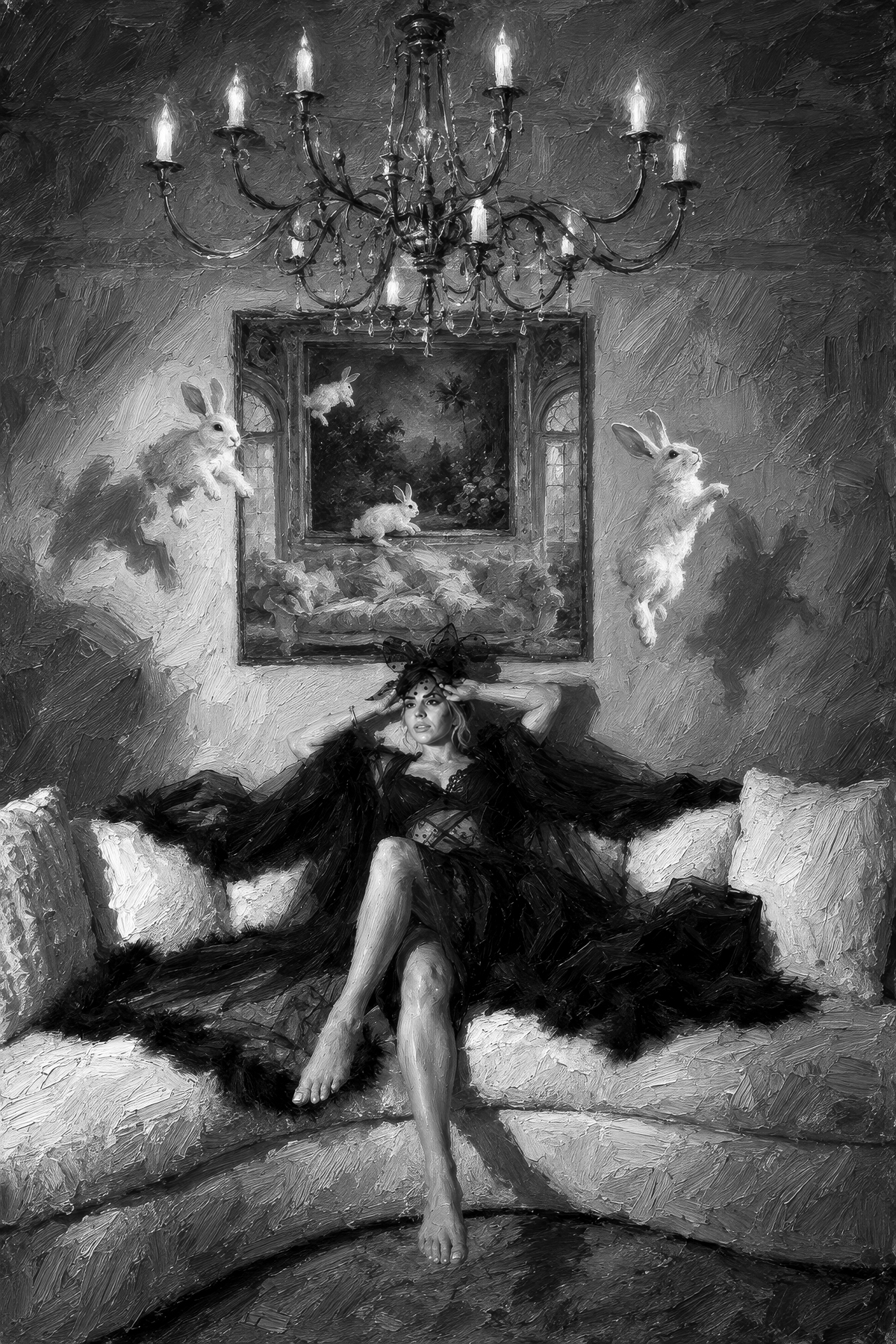
The question behind most pre-session nerves is simple: do photographers guide every pose? In a refined boudoir experience, the answer is yes – but not in the stiff, overly choreographed way many people imagine. You are not expected to arrive knowing what to do with your hands, how to arch your back, or how to create that elusive, effortless expression. Your photographer’s role is to see the image before it exists, then guide you into it with calm, specific direction.
At its best, boudoir posing is not about pretending to be someone else. It is about finding the angles, movement, mood, and details that make you feel impossibly beautiful while still looking unmistakably like yourself.
Do Photographers Guide Every Pose? Yes, With Intention
A professional boudoir photographer guides the entire session from the first frame to the final image. That includes where to stand or recline, how to place your feet, where your gaze should fall, how to soften your shoulders, and even when to take a slow breath. Those small adjustments make an extraordinary difference on camera.
You may hear direction such as, “Turn your chin slightly toward the light,” “Relax your fingers,” or “Lengthen through your spine.” These are not vague instructions to “look sexy.” They are clear, attainable cues designed to create elegant lines and flattering proportions. The goal is never to leave you wondering what comes next.
Still, guidance should not feel mechanical. A pose is only the foundation. The real magic appears in the details: the quiet confidence in your eyes, the way your hand brushes your collarbone, the softness of a laugh after a moment of playful conversation. A skilled photographer knows when to direct and when to let a beautiful moment breathe.
You Do Not Need to Know How to Pose
Most clients have never had a professional portrait session, much less an intimate one. They may worry that they are not flexible enough, curvy enough, experienced enough, or naturally photogenic enough. None of that is a requirement.
A luxury boudoir session is built around professional support. Before the camera comes out, styling, makeup, hair, wardrobe choices, lighting, set design, and the atmosphere of the room all work together to create a polished visual story. Posing direction is simply another essential layer of that experience.
Rather than asking you to hold difficult positions for long periods, a thoughtful photographer builds each pose gradually. You might begin seated at the edge of a bed, with your posture lifted and one knee angled toward the camera. From there, the photographer can adjust your shoulders, guide your hands, refine the line of your legs, and coach your expression. One foundational pose can become several distinct images with a few subtle changes.
That approach is especially reassuring for first-time clients. You do not have to perform. You only need to be present, receptive, and willing to let yourself be taken care of.
Direction Should Be Specific, Not Overwhelming
The finest direction is often delivered one adjustment at a time. Too many instructions at once can make anyone feel self-conscious. Instead of saying, “Move your hip, turn your head, lift your chest, point your toe, and smile,” an experienced photographer creates the shape in stages.
First comes the body position. Then the hands. Then the face and eyes. Finally, the emotional tone of the frame. This rhythm gives you space to settle into the pose rather than rush through it.
It also means you are never left alone in a position that feels uncertain. If a hand looks tense, it is gently refined. If an angle is not flattering, it is changed. If a pose feels unnatural in your body, there is always another way to create the same luxurious effect.
Posing Is Customized to Your Body and Your Vision
No two bodies move the same way, and no two clients should be posed exactly alike. Editorial glamour, bridal boudoir, artistic nude portraiture, romantic couples imagery, and an After Dark session each call for a different visual language.
A bride creating an intimate wedding gift may want soft, luminous images with elegant lingerie, delicate fabrics, and romantic expressions. A woman celebrating a personal reinvention may prefer commanding silhouettes, dramatic black-and-white portraiture, and a gaze that feels unapologetically bold. A couple may need direction that creates authentic connection without making either person feel staged.
The photographer considers your comfort level, your wardrobe, your favorite features, any areas you prefer to minimize, and the final mood you want to create. A high-waisted bodysuit may call for elongated seated poses. A flowing robe can become a source of movement and mystery. A simple white sheet may invite a more sculptural, intimate composition.
This is why copycat poses from social media are not always useful. A pose that photographs beautifully on one person may be uncomfortable or unflattering on another. Inspiration is welcome, but personalized direction is what creates images that feel tailored rather than borrowed.
The Best Poses Often Look Like Movement
Some of the most alluring photographs are not perfectly still. They are created between poses: a shoulder rolling back, a hand moving through your hair, the moment you glance down and then lift your eyes toward the lens.
Your photographer may ask you to slowly shift your weight, trace your hand along a neckline, walk toward the light, or turn away and look back over your shoulder. These prompts add grace and life to the images while keeping you comfortably engaged.
Movement can also ease nerves. When clients focus on a small action rather than trying to hold a “perfect” expression, their face relaxes. The result is often more sensual, more natural, and more compelling than a pose held too tightly.
There is a balance, of course. Some editorial images require precision, particularly when lighting, wardrobe, or body lines are central to the composition. Others benefit from spontaneity. A seasoned photographer moves between both, shaping the session around what feels most flattering and true to you.
Expression Is Guided, Too
Posing is about more than the body. Your expression determines whether an image feels romantic, playful, mysterious, powerful, or intensely intimate. Yet “smile for the camera” is rarely enough direction for a boudoir portrait.
Expect coaching around your eyes, breath, mouth, and focus. You may be invited to look just past the lens, close your eyes for a moment, imagine someone you love, or exhale slowly through parted lips. These prompts are designed to evoke a feeling, not force one.
If a serious expression feels more natural than a smile, that can be breathtaking. If laughter is your signature, it deserves a place in your gallery. There is no single version of sensuality to perform. The most memorable images carry your own energy, elevated through expert styling and direction.
Comfort and Consent Shape Every Frame
Full posing guidance should always exist alongside clear communication and respect. Before a session, talk openly about what you want to explore, what feels exciting, and what is off-limits. During the shoot, you should feel free to pause, adjust, decline a suggestion, or ask what a pose will look like.
This matters in every boudoir session and becomes even more essential in couples or more daring After Dark imagery. Sensual photography can be artistic, romantic, and beautifully charged without sacrificing anyone’s comfort. Consent is not an interruption to the creative process. It is what allows trust, confidence, and genuine expression to flourish.
At The Boudoir Café, that high-touch guidance is part of the luxury: the assurance that you will be styled, directed, and photographed with discretion, artistry, and care.
What You Can Do Before Your Session
You do not need a posing rehearsal, and trying to memorize dozens of online poses can actually make you feel more pressured. Come rested if you can, wear loose clothing before your appointment to avoid marks on the skin, and bring wardrobe pieces that make you feel desirable. Most importantly, arrive ready to communicate.
Tell your photographer if you love your legs, your eyes, your curves, your tattoos, or the shape of your back. Share if you feel shy about your midsection, uncertain about your profile, or nervous about being photographed from certain angles. This is useful information, not something to apologize for.
Then let yourself be guided. The camera sees what you cannot see in the moment, and the person behind it is there to create a portrait experience that feels indulgent rather than intimidating.
You never have to earn the right to feel stunning in front of the camera. With the right direction, a private setting, and a photographer who understands how to shape both light and confidence, your only job is to arrive as you are and allow yourself to be seen.

