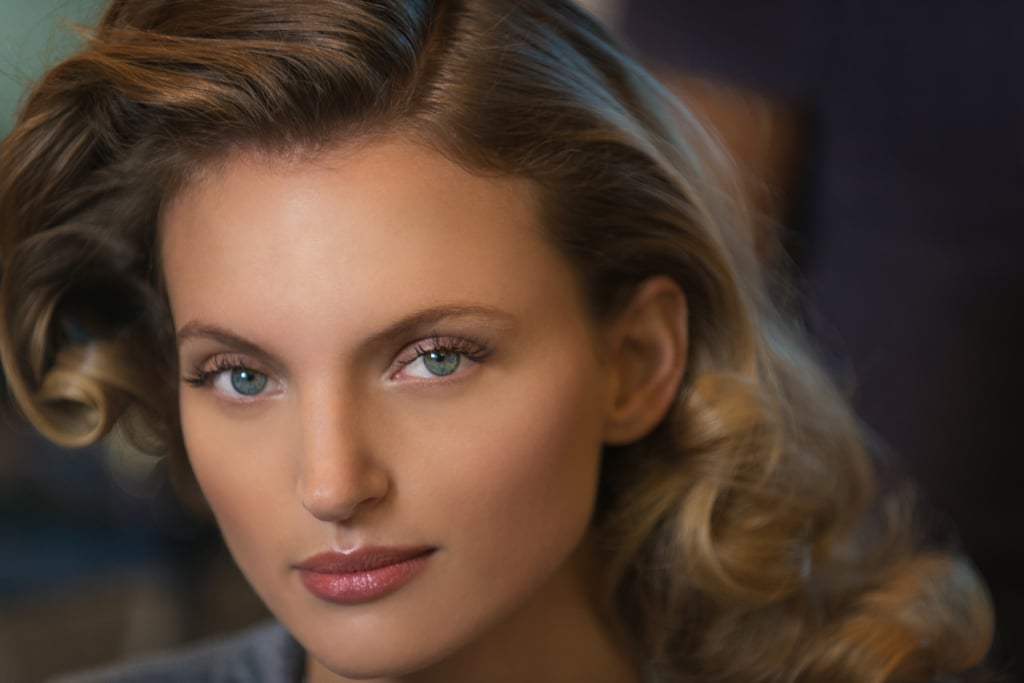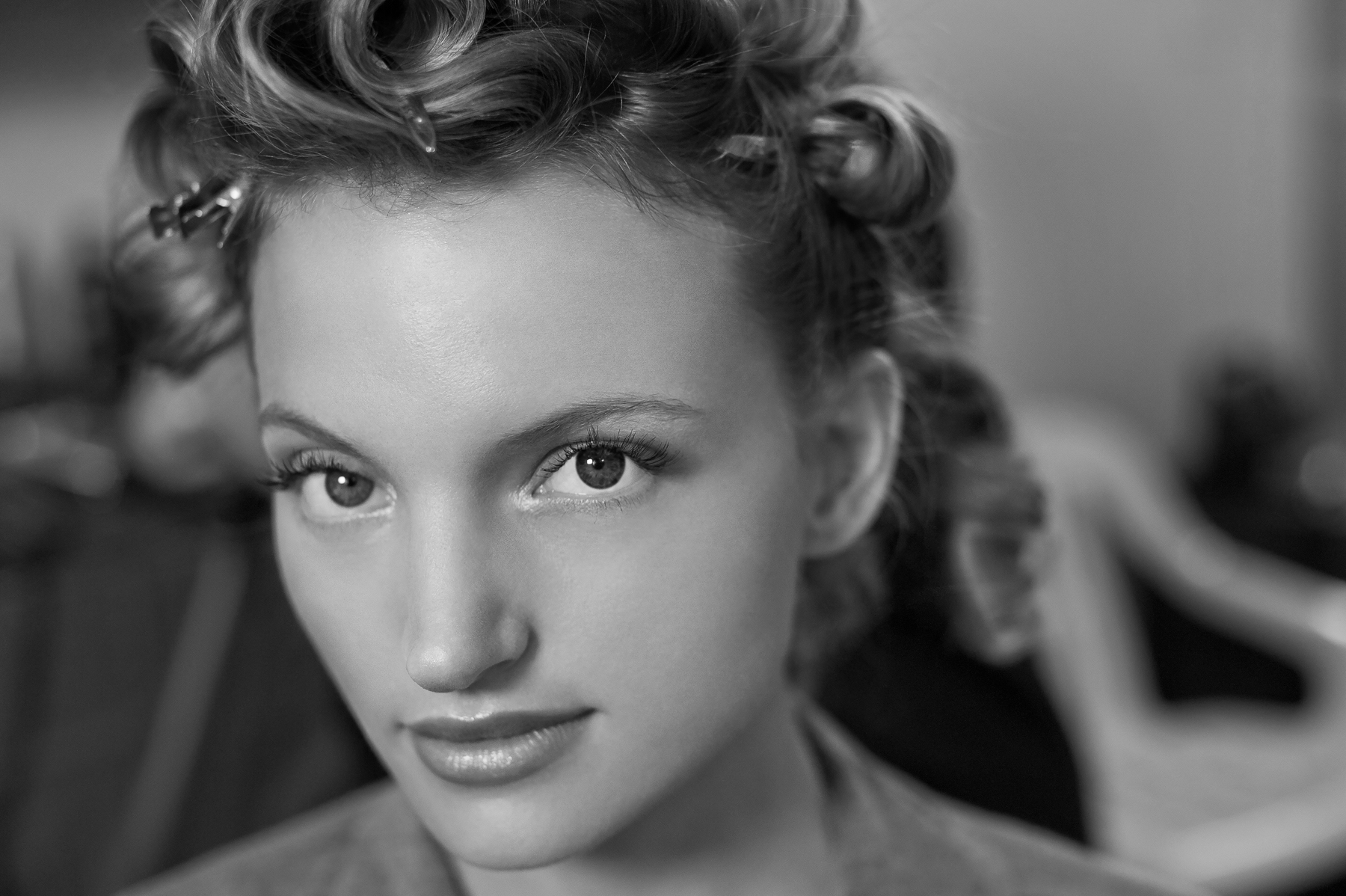
A beauty portrait is not about arriving camera-ready or knowing how to pose like a model. It is about being seen with intention. This beauty portrait session guide is for the woman who wants polished, luminous images that feel glamorous and unmistakably her own – whether she is marking a birthday, stepping into a new chapter, celebrating a bridal moment, or simply choosing herself.
The most memorable portraits are created long before the camera is raised. They come from thoughtful styling, flattering light, attentive direction, and a private atmosphere where you can relax into your own beauty. When those details are handled well, the experience feels less like performing and more like revealing a side of yourself you may not see every day.
Start With the Feeling You Want to Remember
Before choosing a dress, a lipstick, or a backdrop, decide how you want the photographs to make you feel. Confident? Softly feminine? Dramatic? Sleek and editorial? Romantic? A beauty portrait can be clean and modern, richly glamorous, or intimate in mood without becoming overtly sensual. The right direction depends on your personality and the purpose behind the session.
A bridal portrait may call for luminous skin, delicate fabrics, and a refined sense of romance. A personal milestone may invite bolder makeup, sculptural clothing, and cinematic black-and-white imagery. For a woman celebrating reinvention, the strongest images often balance elegance with a little edge.
Bring this intention into your consultation. Share inspiration, but do not feel pressure to recreate someone else’s image. Reference photos are useful for communicating mood, makeup, lighting, or wardrobe ideas. Your finished portraits should still belong to you, shaped around your features, coloring, comfort level, and vision.
A Beauty Portrait Session Guide Begins With Styling
Professional hair and makeup are not about covering who you are. They are designed for the camera, where light can soften contrast and reduce the definition that looks perfectly visible in person. A skilled artist builds dimension into the skin, defines the eyes, and selects tones that photograph beautifully while preserving a refined finish.
Arrive with clean, dry hair unless your artist has given you different instructions. Avoid testing a new facial treatment, self-tanner, or skincare product in the days immediately before your session. The goal is calm, hydrated skin, not a last-minute experiment. Drink water, get rest where you can, and give yourself extra time that morning so the experience begins without a rush.
Wardrobe is equally important, but it does not need to be complicated. Choose pieces that make you stand taller when you put them on. A tailored blazer, silk slip, structured bodysuit, elegant gown, crisp white shirt, or a simple off-the-shoulder top can all create beautiful portraiture. Fit matters more than labels. Clothing that pinches, gaps, or needs constant adjustment will distract you from being present.
For a more elevated result, consider bringing options with varied textures. Satin catches light differently than lace. A clean, matte fabric creates a more graphic editorial feel. Jewelry can add a finishing touch, though one statement piece often photographs with more sophistication than several competing accessories.
Choose Color With the Set and Mood in Mind
Black remains timeless for a reason: it creates clean lines, drama, and instant confidence. Jewel tones can be particularly beautiful for color portraiture, while ivory, champagne, and soft blush create a lighter, romantic mood. If you are uncertain, bring two or three distinct looks rather than several versions of the same outfit.
Patterns are not forbidden, but they can draw attention away from your face. Fine stripes, prominent logos, and busy prints tend to date more quickly than solid colors and intentional textures. If the finished artwork will live in a bedroom, dressing room, or private collection, consider how the palette will feel in that space as well.
Let Direction Replace the Pressure to Pose
The fear of not knowing what to do with your hands has stopped many women from booking portraits they truly want. It should not. You do not need prior experience, a certain body type, or a practiced camera smile. In a professionally directed session, posing is a conversation.
A photographer should guide the placement of your shoulders, chin, hands, hips, and expression in small, understandable adjustments. The difference between a flattering portrait and an awkward one can be as subtle as lowering one shoulder, shifting weight into the back leg, extending through the neck, or turning your face a few degrees toward the light.
Great direction also has room for movement. A still pose can feel stiff if you are asked to hold it too long. Walking slowly, adjusting a sleeve, letting fabric fall, turning toward the window, or taking a quiet breath creates natural transitions that are often where the most captivating frames happen.
Do not judge an expression while you are making it. Some images need a direct gaze; others become more intimate when your eyes are lowered or your attention is turned away from the camera. Trust the process long enough to let the photographer find what is most flattering. The goal is not to look like anyone else. It is to capture your presence at its most assured.
Light Is Where the Luxury Lives
Beauty portraiture depends on light with intention. Soft light can make skin look luminous and romantic, while more directional light creates shape, polish, and a fashion-forward edge. Neither approach is automatically better. It depends on what you want your portrait to say.
A diffused, glowing setup is often ideal for fresh, feminine imagery and timeless color portraits. More sculpted lighting can bring out cheekbones, create striking shadows, and add drama to black-and-white photographs. An experienced photographer knows how to adapt that light for your face rather than forcing every client into the same formula.
This is also why professional portraiture feels so different from a well-lit selfie. The light, lens choice, posing, styling, and final retouching are working together. Each detail is subtle on its own. Together, they create an image with depth and presence.
Privacy and Comfort Are Part of the Art
Feeling beautiful requires more than a gorgeous set. It requires trust. A luxury portrait session should be conducted in a private, respectful environment where your boundaries are heard clearly and your comfort is never treated as an inconvenience.
Talk openly during your consultation about what feels exciting, what feels outside your comfort zone, and what you prefer to keep private. You can request a more covered wardrobe, choose an artistic silhouette over a direct pose, or keep the session focused entirely on head-and-shoulders beauty imagery. There is no requirement to be more revealing than you want to be.
For couples, the same principle applies. The most romantic photographs are not created by forcing a mood. They come from clear communication, gentle guidance, and room for genuine connection. A refined session can feel playful, sensual, affectionate, or quietly intimate while remaining fully aligned with your boundaries.
Plan for the Portraits After the Session
Your photographs deserve more than a brief moment on a phone screen. Before your session, consider how you would like to experience them afterward. A handcrafted album creates a private, tactile keepsake. Framed art can turn a favorite image into a daily reminder of confidence. A folio box offers the pleasure of choosing a different image to display or keep close.
This decision may influence your wardrobe and image selection. If you imagine a large black-and-white statement piece, you may lean toward a more sculpted, minimalist look. If you want an album with a rich sense of story, multiple wardrobe changes and a mix of close beauty portraits, full-length images, and candid movement will give the collection more dimension.
At The Boudoir Café, the experience is designed around this level of intention: glamour with guidance, privacy with artistry, and images that feel as extraordinary as the moment they were created.
Come prepared, but do not come expecting perfection from yourself. Leave room to be surprised by how beautiful you look when every detail is crafted to support you. The camera does not need you to become someone else. It simply needs you to arrive, breathe, and let yourself be seen.